A Christmas Tree Design Stitched for Joyful Projects
First Impression: A Familiar Shape with a Gentle Twist
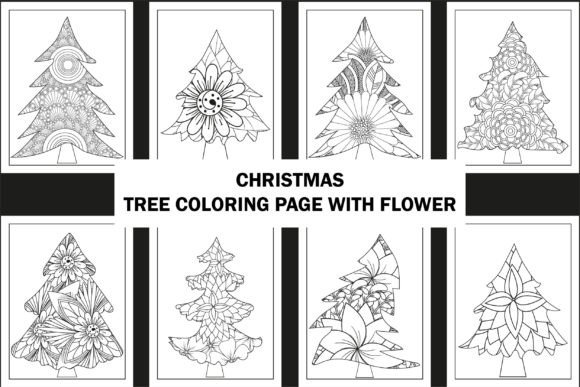
When I first looked at the Christmas Tree Coloring Page with Flower, my designer’s eye immediately saw its core strength: a classic, instantly recognizable silhouette. The Christmas tree shape is universal, which means it communicates holiday spirit without any extra explanation. The addition of the flower, however, is the delightful twist. It softens the traditional evergreen icon, giving it a slightly whimsical, personalized feel. This isn’t a stark, graphic tree; it has a gentle, almost hand-drawn personality. For anyone creating handmade products or custom apparel, that’s a valuable starting point. It creates a mood of festive warmth, not just holiday cheer.
The Natural Habitat for This Embroidery Design
This design feels born for projects where a touch of sweet, understated celebration is needed. I picture it stitched onto a linen kitchen towel or a cozy pillow cover for a holiday living room. It would be perfect as a small accent on a baby’s sweater or a nursery decor item, where the flower adds that soft, gentle touch. For a holiday gift like an embroidered apron or a tea towel, it’s charming without being overwhelming. As a small shop product for an Etsy seller, it’s easily adaptable—it could be the centerpiece of a tote bag design or a subtle decoration on the cuff of a sweatshirt. Its simplicity is its versatility.
In the Hoop: Practical Performance on Real Fabrics
Thinking through real embroidery projects, the clarity of the shapes here is key. The main tree outline and the flower elements are distinct. This means when translated into stitches—whether as a precise satin stitch outline or a lighter running stitch—the design should hold its form well. On a mid-weight cotton tote bag, it would be crisp and clean. Stitched onto a fleece-backed sweatshirt, the design’s openness should help prevent issues with high stitch density on thicker, textured fabrics.
However, the "coloring page" nature suggests it’s composed of lines and spaces. In machine embroidery, this translates to areas that might be filled or left open. For a crafter, this offers creative choice. You could use a fill stitch for the tree body for a solid, traditional look, or keep it more illustrative with just outline stitches for a lighter, faster finish. This adaptability affects your production time and the final product’s feel.
Where a Designer’s Caution is Advised
Any design with smaller, separate elements demands attention in certain applications. The flower detail, depending on its final size in your embroidery file, might need careful handling on very small hoop sizes. If you’re planning a tiny version for a cap or a baby clothes item, test it first. On stretchy fabric or thin fabric like a fine t-shirt, using the right stabilizer is crucial to keep those clean lines from distorting.
Also, consider thread color contrast against the background. This design, with its clear lines, will shine on light fabrics. On dark fabric, you’ll need to plan your thread palette—perhaps using brighter whites or metallics—to ensure it doesn’t get lost. For items like embroidered patches meant for layered garments, the design’s simplicity is actually a benefit, as it will remain legible even when applied.
Beyond the Stitches: Value for Your Creative Business
For the creative entrepreneur, a design like Christmas Tree Coloring Page with Flower isn’t just about stitches; it’s about the story your finished product tells. This design feels approachable and joyful, which enhances customer trust and buyer engagement. It doesn’t look mass-produced; it looks like something chosen with care for a personalized gift. That directly boosts the perceived value of your handmade product.
If you’re building brand consistency for a craft business with a cozy, festive aesthetic, this could be a reliable seasonal asset. Its warmth supports giftability. A customer buying an embroidered holiday gift like a pillow cover or apron is likely looking for that emotional resonance, not just decoration. This design provides that.
A Note on Commercial Use and Digital Products
The product description mentions uses like POD products, book cover design, and selling on Amazon KDP. As an embroidery designer reviewing this for physical embroidery projects, I see its potential here too. A clean, recognizable design like this can be excellent for printable mockups to showcase your embroidered goods online. It could also inspire a line of coordinated digital design assets. However, a critical professional step is always to confirm licensing before selling finished items or digital products. The description indicates commercial possibilities, but as a responsible maker, you must verify the specific terms for your intended use, whether for personal and commercial projects.
Practical Designer Notes Before You Start
Before you commit this design to a client’s custom apparel or your next batch of craft fair products, here are my hands-on suggestions.
- Always test on scrap fabric first. Use the same material and weight as your final project. This reveals how the fabric texture interacts with the design’s lines.
- Check it in black and white. View a simple outline version. This helps you assess the bare structure, ignoring color, which is vital for understanding its strength as an embroidery design.
- Compare light and dark fabric backgrounds. Even if just in your software, preview how it might look. This informs your thread colors decision.
- Inspect the small details. Zoom in on the flower and any interior lines. Decide if they need adjustment for your chosen hoop size and intended product scale.
- Think beyond embroidery. If you’re also a digital product seller, consider how this design could be presented in your listings. Its clean lines make it suitable for creating attractive previews for your Etsy listings or small shop merchandise.
Final Thoughts from the Worktable
The Christmas Tree Coloring Page with Flower is a design that brings a smile. As a professional, I judge a design not just by its aesthetics but by its readiness for real-world use. This one passes that test. It’s straightforward, emotionally positive, and adaptable. It won’t fight you on the machine or confuse your customer. It simply offers a familiar holiday symbol with a gentle, floral hug—a combination that, when stitched onto a personalized gift, a boutique product, or your own holiday embroidery project, will likely spread a little more of that quiet, stitched joy we all aim to create.