A Deer Coloring Page for Bloggers and Digital Creators
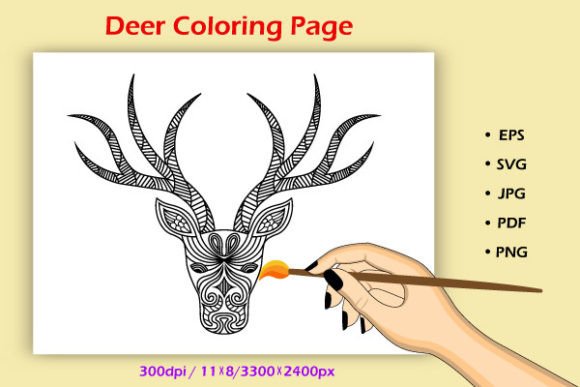
When you manage a content website, every graphic asset you add is a visual promise to your reader. It signals editorial quality, establishes mood, and often dictates whether a visitor scrolls, clicks, or shares. The first impression of this Deer Head Coloring Page is one of hand-drawn charm. Its ornamental, doodle-art style immediately creates a mood that is artistic, playful, and distinctly seasonal. This isn't a sterile clip-art graphic; it’s an illustration with personality.
Editorial Mood and Niche Alignment
For a publisher, this design asset feels both lifestyle-focused and educational. The hand-drawn lines suggest authenticity, which builds reader trust. It naturally supports content niches around family activities, mindful relaxation, holiday crafts (especially Christmas), nature-themed blogs, and creative entrepreneurship. The "for adults and kids" utility baked into its description makes it a versatile tool for content targeting parents, educators, or anyone in the wellness and crafts space.
From Blog Image to Lead Magnet: Real Publishing Uses
As a digital publisher reviewing this graphic, my mind maps it directly to specific content needs. Its primary strength is its adaptability beyond just a coloring page. Here’s how I’d deploy it in a real workflow.
- Featured Blog Images & Article Headers: For a post about holiday DIY or nature-themed mindfulness, this deer graphic, perhaps with text overlay, creates an immediate, thematic visual hierarchy.
- Pinterest Pins & Social Media Graphics: This design is inherently clickable. Used as a Pinterest pin promoting a free printable or a blog tutorial, its detailed art stands out in a feed, promising a worthwhile download.
- Lead Magnets & Digital Guides: This is prime material for a content upgrade. Offer it as a downloadable worksheet within an article about Christmas activities, directly boosting email list growth.
- Newsletter Graphics & Banners: In a holiday newsletter, it serves as a decorative header, visually framing your content with a consistent, festive identity.
- Digital Product Covers & Canva Templates: For an affiliate marketer or small business owner selling digital guides or printables, this art can be the cover image for an eBook or a base element within a branded Canva template.
- Printable Designs for Affiliate Content: If your blog promotes craft supplies or printers, using this graphic in a tutorial showcases the product’s potential, creating a stronger, more tangible content experience.
How This Asset Supports Content Performance
In practical terms, integrating this graphic design asset into your publishing system yields measurable benefits.
Stronger First Impression & Click-Through Potential: A polished, unique graphic at the top of a post or as a social preview outperforms generic stock photos. This deer illustration offers that distinctiveness.
More Consistent Branding: For a blog focused on crafts, nature, or holidays, repeatedly using this stylistic theme across blog graphics, printables, and social media builds a recognizable visual identity.
Improved Reader Trust & Professional Presentation: Using well-composed, intentional art signals that you invest in your content's presentation. This elevates perceived value, whether the content is free or paid.
Better Category Recognition: When used as a thumbnail or category image for a "Christmas Printables" or "Family Activities" section, it provides instant, visual navigation for your audience.
Where This Deer Design Works Best
Focus your use on contexts where its decorative detail can shine.
- Hero images for seasonal blog posts.
- Article thumbnails in related post grids.
- Standout Pinterest pins for download offers.
- Decorative accents within editorial layouts or digital guides.
- The core visual for content upgrades and downloadable resources.
- Category visuals on a website's resource library.
- Newsletter headers for special holiday editions.
- Social media previews for tutorial videos or blog links.
Publisher Notes: Practical Integration Tips
Before hitting publish, an experienced blog designer runs tests. Here’s your checklist for this Deer Head Coloring Page.
- Test on All Screens: Preview how it looks as a small mobile thumbnail. Fine details may soften, but the overall silhouette should remain clear.
- Preview in Layout: Drop it into a real blog draft. See how it interacts with your headline text, body copy, and sidebar elements.
- Check Contrast & Readability: If overlaying text, ensure the background has adequate contrast. Try placing it beside different font styles—a clean sans-serif for modern blogs, a serif for traditional, or a script font for a feminine, creative brand—to see which pairing feels most cohesive.
- Review File Size & Performance: For web use, always compress the image properly. A fast-loading graphic maintains user experience and SEO health.
- Confirm Commercial Licensing: This is critical for monetized websites. Before using it on affiliate pages, paid digital products, or in media kits, verify the license allows for commercial use. Never assume.
Contexts Requiring Careful Use
While versatile, this ornamental design has a specific mood. Use it thoughtfully in these scenarios.
Serious Professional or Corporate Niches: It may feel too playful for a financial blog or a corporate tech website needing a minimal visual system.
Busy Layouts or Low-Contrast Backgrounds: Its intricate lines could become visually noisy if placed on a patterned background or alongside too many other decorative elements.
Text-Heavy Blog Images: If the primary goal of an image is to frame a long quote or detailed infographic, a simpler graphic might provide better readability.
The Final Take for Content Creators
This Deer Coloring Page asset is more than a simple graphic; it's a multipurpose tool for editorial design. It supports visual communication that feels authentic and engaging. For the blogger, publisher, or small business owner looking to enhance their holiday content, craft tutorials, or family-focused resources, it offers a ready-made solution to elevate blog visuals, create professional-looking downloadable printables, and strengthen social media presentation. By applying it strategically within your publishing workflow—always with performance and licensing in mind—you transform a single digital download into a recurring element of your brand's visual story.