Evaluating a Complex Flower Mandala for Embroidery Projects
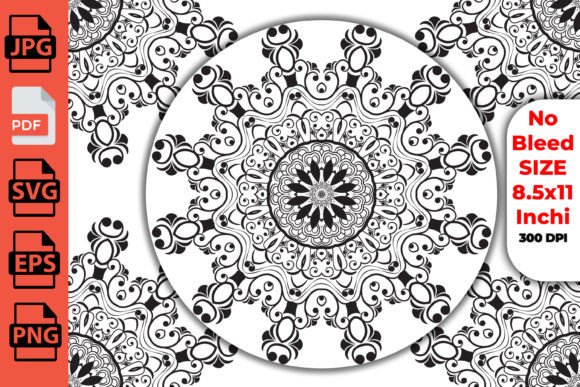
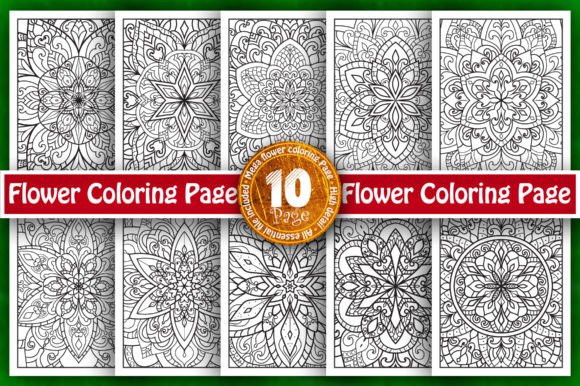
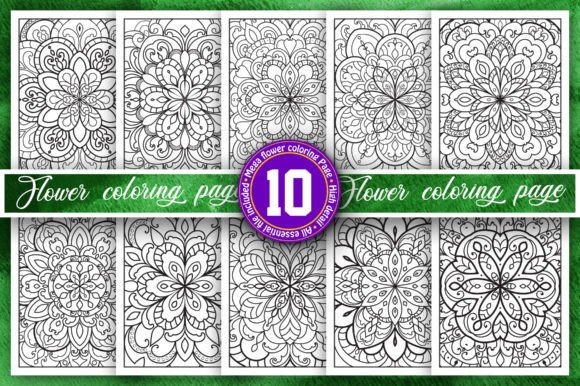
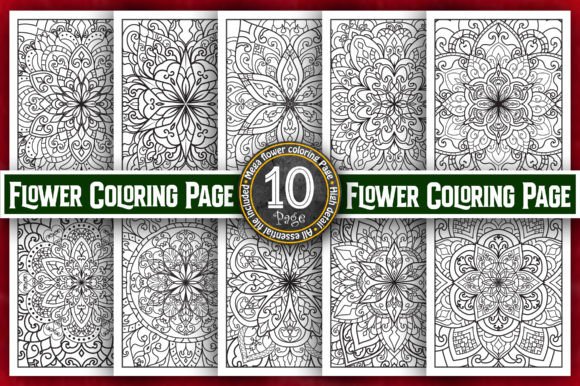
When I first opened the Complex Flower Mandala Coloring Page set, my immediate reaction wasn't just as a designer, but as a maker thinking about thread and fabric. These aren't simple graphics; they're intricate ecosystems of petals and patterns waiting to be translated into stitch. The mood is immediately serene and ornate—perfect for projects aiming for a touch of sophisticated, mindful beauty. The rounded, symmetrical layouts suggest a finished product that feels balanced and complete, a visual personality that leans towards gift-quality items rather than casual everyday wear.
The Natural Fit: Where These Mandalas Belong in Your Work
Let’s picture a specific scenario: a client wants a custom embroidered tote bag for a wedding gift. They want something elegant, personal, and timeless. One of these mandalas jumps out as the perfect centerpiece. The high level of detail promises a result that looks lavish and carefully crafted, elevating a simple canvas bag into a cherished keepsake. This is where this embroidery design shines—on statement pieces where the detail can be appreciated.
In real-life embroidery projects, such as premium pillow covers, decorative tea towels, or framed nursery decor, the complexity adds perceived value. For Etsy sellers or small shop owners, using this on a high-quality sweatshirt embroidery or a boutique apron can differentiate your product in a crowded marketplace. The intricate floral patterns convey a level of effort and artistry that customers instinctively trust, boosting your handmade presentation and brand consistency if your vibe is detailed, botanical, or zen.
Careful Stitching: When the Detail Demands Attention
However, the "complex" in the title is your practical warning label. This isn't a design to haphazardly run on a stretchy fabric or a tiny cap. The density of lines and potential for numerous fill stitch areas means you must be strategic.
Where should you proceed with caution? On dark fabric without meticulous thread color contrast planning, much of the intricacy could vanish. On small hoop sizes, the tight corners and details might become a muddy knot of threads rather than clear art. Textured fabrics like some linens can fight against the clarity of fine lines. And for items like baby clothes or layered garments needing frequent washing, extremely dense stitching might not wear as gracefully as a simpler motif.
The key is matching the design's ambition with a substrate that can support it. A smooth cotton blend, a sturdy tote bag material, or a firm stabilizer-backed patch fabric are its best friends.
From Digital File to Finished Product: The Maker’s Checklist
Before you commit this to a client’s project or your next craft fair product, here’s how I think through it:
- Test on scrap first. Always. Hoop up a piece of the exact fabric you plan to use and stitch one of the more detailed mandalas. Look for how stitch density behaves, whether small gaps close up cleanly, and how the overall scale feels.
- Play with thread color contrast. Stitch a segment on both light and dark background scraps. Does it pop or fade? This design likely offers stunning results with bold or metallic threads.
- Consider the hoop size seriously. These are not small spot designs. They likely demand a larger hoop to preserve all their detail, influencing the size and placement on your custom apparel or blanket.
- Inspect the small details in your software. Zoom in. Are there tiny elements that might vanish or become overly thick in satin stitch? Sometimes, a slight simplification in your machine settings can save a design.
- Use proper stabilizer. For such detailed work, skimping on stabilizer is a recipe for puckering and lost definition, especially on apparel.
Since this product originates in the Graphics and Coloring Pages Amp category, a crucial note: you are likely adapting a digital graphic into an embroidery file. This means the exact stitch count, file formats for your machine, and licensing for commercial embroidery use are not inherently provided. You must check and confirm these aspects before selling the finished product or using it in commercial design assets. Clarify whether your use is for personal personalized gifts or for your craft business.
The Impact on Your Business and Your Customer
Choosing to work with a design like the Complex Flower Mandala Coloring Page affects more than just your machine time. It influences visual appeal at a glance. On a printable mockup for your Etsy listing, it suggests a premium item. Stitched out cleanly, it delivers stitching clarity that makes customers feel they’ve received art, not just decoration.
This directly enhances product value and buyer engagement. A beautifully embroidered mandala on a holiday embroidery gift, like a festive pillow, has high giftability and recognition—people remember where they got it. For your own brand, consistently offering well-executed, complex designs builds professionalism and turns one-time buyers into repeat clients.
In the end, this set of mandalas is a powerful digital embroidery file asset for the right maker. It’s not a one-size-fits-all solution, but for projects where detail is the star—a special wedding gift, a boutique’s signature embroidered patch, a statement kitchen towel in a high-end set—it provides a gorgeous blueprint. Your skill in translating its lines into thread will determine whether it becomes just a pattern or a truly exceptional handmade product. Approach it with respect for its complexity, and it will reward you with stunning results.