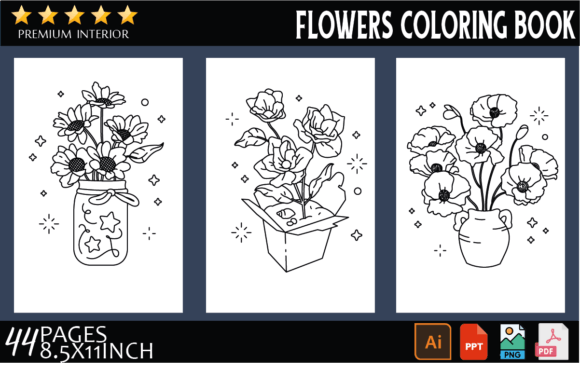
Flowers Coloring Book V3: A Publisher’s Review for Graphics & Content
First Impression: An Editorial Mood of Playful Elegance
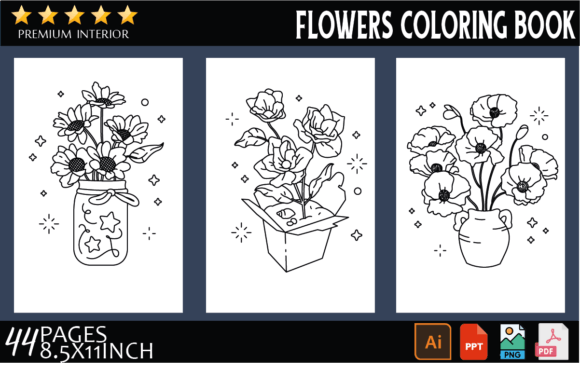
Opening the Flowers Coloring Book V3 files immediately establishes a specific editorial mood. It’s not just a collection of coloring pages; it’s a graphic design asset that feels both artistic and inviting. The theme leans naturally into a lifestyle-focused, feminine, and educational niche, with a clean and decorative style. This isn’t harsh or overly childish—it carries a sense of playful elegance. For a blogger or content creator targeting audiences interested in mindfulness, family activities, DIY crafts, or seasonal content, this asset provides a ready-made visual tone. It communicates relaxation, creativity, and a touch of natural beauty, which can significantly affect reader perception, fostering a sense of trust and approachability from the moment they see your site or social media preview.
Real Publishing Workflow: Where This Graphic Asset Integrates
As a blog designer, my first task is to envision how a design asset fits into a real publishing workflow. For Flowers Coloring Book V3, the applications are extensive.
Consider a blogger preparing a spring gardening guide or a mindfulness post about nature. A single, beautifully rendered flower page from this collection can be cropped and styled into a hero image for the article, creating a strong first impression. Its clear, open-line art provides excellent visual hierarchy, allowing you to overlay headlines with strong readability.
For Pinterest graphics and social media previews, these pages are gold. Their inherent aesthetic appeal boosts click-through potential, as they stand out in a crowded feed with a cohesive, professional look. You can easily adapt them into Canva templates for consistent branding across your content marketing efforts.
Beyond blog graphics, the 44-page collection is a powerhouse for creating digital products. Each page can serve as a lead magnet—a downloadable worksheet promoting a newsletter sign-up. Compiled, they form the core of a digital guide or eBook on botanical art, perfect for affiliate marketing or as a content upgrade. The included Ai file means you, or a designer, can tweak colors or add branding elements, making it a versatile foundation for website headers, newsletter graphics, and even digital ad visuals.
Editorial Accents and Category Recognition
This asset also excels as subtle editorial design. Use a faint, watermark-style flower on the corner of your blog posts about wellness to build a stronger visual identity. Employ distinct flowers as category thumbnails for “Gardening,” “Art Tutorials,” or “Kids Activities”—this instantly improves category recognition for your readers. The style supports a creative design system that feels intentional, not random.
Supporting Content Performance and Reader Trust
Why does this matter for performance? Polished visuals directly impact metrics and perception. Using Flowers Coloring Book V3 helps your content look like it was crafted, not cobbled together. This visual hierarchy guides the reader’s eye, making key messages clickable. A consistent, beautiful graphic across your blog graphics, Pinterest pins, and downloadable resources builds brand identity. Readers begin to associate that quality with your entire site, fostering trust. For an online educator or creative entrepreneur, this professional-looking presentation is crucial for selling digital downloads or courses.
Optimal Use Cases & Places for Caution
This design asset works best in visual-forward applications. Prioritize it for:
- Large format hero images and article headers.
- Pinterest pins and Instagram story backgrounds.
- Featured images for blog posts with minimal text overlay.
- The core visuals for printable designs like worksheets and coloring books.
- Accent graphics in editorial layouts for digital magazines.
- Branded elements in media kits or promotional materials.
However, use it carefully in certain contexts. The detailed line art might become indistinct in very small mobile thumbnails. Avoid placing it on already busy layouts where it could clash. While versatile, its playful, artistic mood may not suit very serious, corporate content niches that demand a minimal visual system. It’s also important to never use it as a background for text-heavy blog images without ensuring high contrast and readability—the intricate lines could make text hard to read.
Practical Publisher Notes for Implementation
Before publishing, run these practical tests. First, preview the graphic on both desktop and mobile screens. Crop a section to see how it looks as a tiny thumbnail on your blog’s sidebar or a social feed. Import it into a real blog layout draft and place it beside your headline text.
Test its readability by overlaying different font styles: try a clean sans serif font for modern blogs, a serif font for traditional editorial feels, or even a script font for feminine lifestyle sites. Check the contrast. Also, try viewing it in black and white to ensure it retains structure if color is altered.
For web performance, remember this is a digital download intended for your use. If using the images directly online, compress them properly to keep page speed fast. Most critically, always confirm the commercial license terms before using it on monetized websites, affiliate pages, or paid content products. As a digital publisher, respecting the licensing from a creative marketplace is foundational to ethical and legal small business branding.
The Final Take for Content Creators
The Flowers Coloring Book V3 is more than just 44 pages of flowers; it’s a foundational design asset for building visually cohesive, trustworthy, and engaging content. It supports a workflow from social media to downloadable lead magnets, enhancing every touchpoint with a reader. By integrating it thoughtfully into your web design and editorial design, you elevate the perceived quality of your work, which, in the end, is what turns visitors into loyal readers and customers. For anyone publishing in creative, educational, or lifestyle spaces, this is a resource that makes the practical work of looking polished considerably easier.