Mandala Coloring Page Vol. 33: A Designer’s Real-World Review
The First Impression: Balance and Versatility
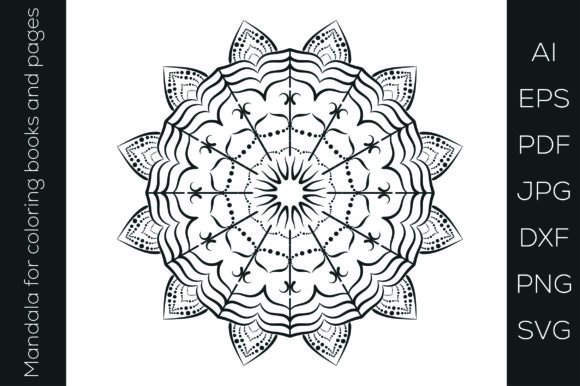
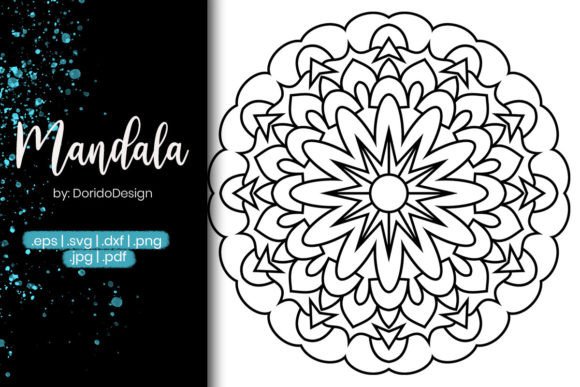
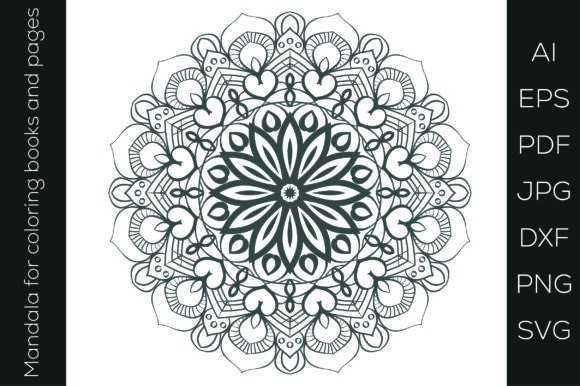
Opening Mandala Coloring Page Vol. 33, the first thing you notice is its inherent sense of balance. The symmetrical layout creates a calm, focused mood, which is exactly what a mandala should do. The level of detail here is thoughtful—it’s intricate enough to feel special, but not so dense that it becomes a stitching nightmare. The visual personality leans toward classic and meditative, making it feel timeless rather than trendy. It naturally belongs to projects where you want to add a touch of serene artistry.
Where This Design Naturally Thrives
I immediately picture this on a well-made cotton tote bag. It’s a perfect centerpiece for a bag meant for a yoga studio or a boutique bookstore. The design’s circular completeness makes it ideal for apparel like the center of a sweatshirt back or a t-shirt, where it can be a standalone statement. For baby items, like a nursery pillow cover or a blanket corner, its harmonious shapes would create a gentle, decorative accent. As an embroidered patch, it would hold its own beautifully, easily becoming a premium add-on for caps or jackets.
For small business merchandise, this mandala offers solid value. Etsy sellers could use it for a line of personalized tea towels or aprons, where the design adds a handmade touch that elevates a simple product. In holiday gifts, like a monogrammed pillow for a wedding gift, the mandala framing a name would feel incredibly thoughtful. Its structure also makes it a strong candidate for boutique branding—think a subtly embroidered logo on a shop uniform or packaging.
Practical Performance on the Machine and Product
In real-life embroidery situations, the key will be managing the detail level. On a tote bag or pillow cover with a stable fabric, this embroidery file should stitch out cleanly. The fill stitch areas look manageable; they shouldn’t create overly dense sections that pucker the fabric if you use the right stabilizer. For something like a cap, with its curved surface, you’d need to be mindful—the perfectly symmetrical shape might need some adjustment in placement to look centered from every angle.
Spots to Approach with Care
I’d be careful using this on very small hoop sizes. Trying to shrink it down for a tiny accent on a baby sock might lose the clarity of its finer lines. On textured fabrics, like a thick blanket, the satin stitch borders could lose definition. Similarly, on stretchy fabric for a t-shirt, you’d need a robust stabilizer to keep that perfect circle from distorting after wear. Dark fabric backgrounds demand high-contrast thread color choices to make the pattern pop—a test on scrap fabric is essential here.
Products that need frequent washing, like kitchen towels or everyday sweatshirts, require you to check the stitch density. Overly compact stitches can feel stiff and may wear differently. The design’s decorative accents are lovely, but on a thin fabric, you might want to opt for a lighter fill stitch preset to keep the fabric supple.
The Impact on Your Project and Your Customer
This design boosts visual appeal through its completeness. A finished embroidered mandala on a product looks intentional and professional. The stitching clarity, if executed well, builds customer trust—it shows a careful hand. For handmade presentation, it moves a item from "customized" to "artisan." That directly increases product value and giftability.
For brand consistency, if your shop’s vibe is calming or artistic, using a series like this across different products (tote bags, apparel, decor) creates a recognizable theme. That recognition engages buyers looking for a specific style. In commercial embroidery projects for clients, delivering a clean, balanced mandala like this on their corporate wellness gift items would undoubtedly look professional.
A Designer’s Practical Notes Before You Hoop It
Always test this embroidery design on scrap fabric first, matching the final project’s material. Check thread color contrast thoroughly—run the design in a black and white mockup to see how the lines hold without color. Review the stitch density in your software; adjust if needed for your specific fabric. Confirm the hoop size you plan to use can accommodate the design without forcing you to compromise detail.
Inspect the small details in a preview. Are there any tiny corners or junctions that might blur on the machine? Compare how it looks on light and dark fabric backgrounds in your digital previews. Use proper stabilizer; don’t skip this step for a design with this much structure. Crucially, check the licensing terms provided with the file. Confirm whether it’s cleared for both personal and commercial projects before you sell finished items or use it in digital product mockups for your craft business.
Final Thoughts: A Reliable Design Asset
Mandala Coloring Page Vol. 33 stands out as a versatile graphics asset for embroidery. It’s not the most avant-garde design, but its strength is in its reliable, balanced composition. It’s a design you can trust to perform across a range of projects—from a custom embroidered holiday gift to a steady seller in your Etsy shop. It creates a mood of calm craftsmanship, which resonates with customers looking for something meaningful. Approach it with practical preparation, and it will become a valuable part of your embroidery project repertoire, elevating your finished products with a touch of serene detail.