A Designer's Take on Mandala Coloring Page Vol. 44 for Embroidery
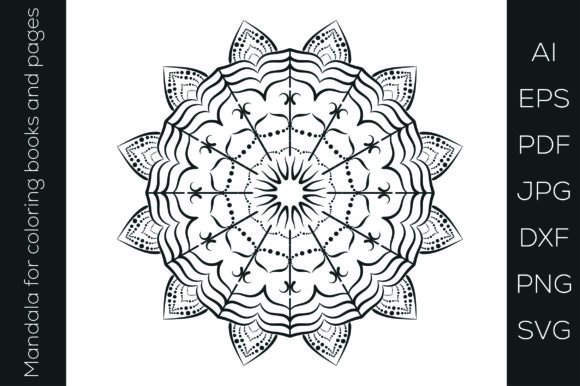
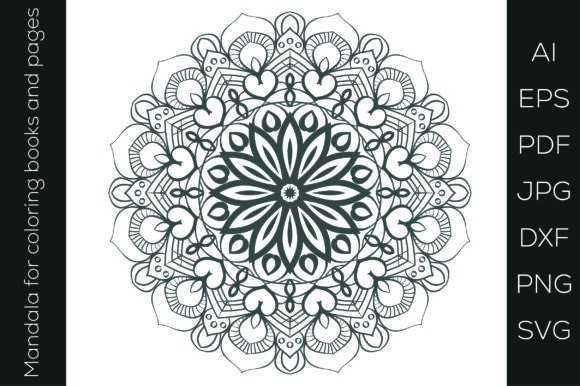
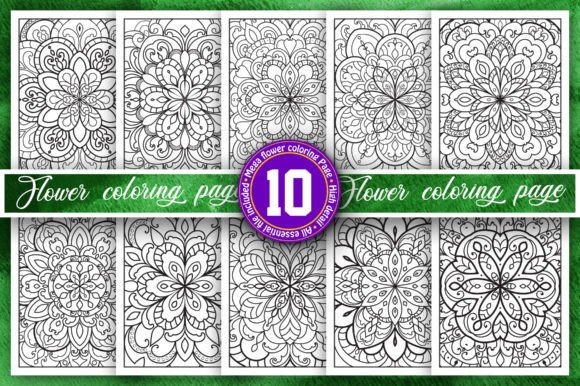
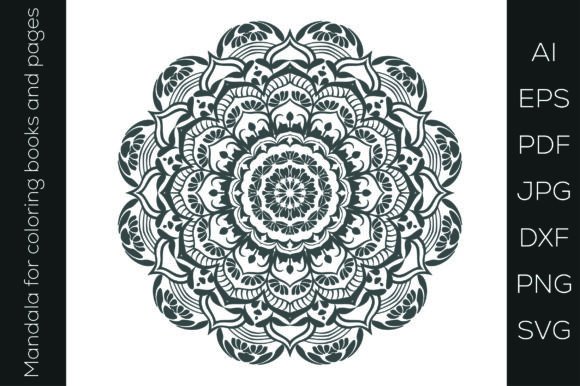
When a new design lands on my desk, the first thing I consider is its soul. Mandala Coloring Page Vol. 44 has a distinct, balanced character. It’s not an overly intricate, intimidating mandala. Instead, it presents a welcoming geometry, a pattern that feels both classic and contemporary. The mood it creates is one of calm focus—a perfect fit for products meant for relaxation, personalization, or mindful gift-giving. This isn't a design that shouts; it whispers with a steady, artistic confidence.
Where This Mandala Finds Its Home
In my studio, I immediately picture this design translating into thread. Its structure suggests excellent clarity in embroidery. The concentric layers and symmetrical details are ideal for satin stitch borders and clean fill stitch areas. I can see it becoming a stunning central feature on a linen tote bag for a yoga studio’s merchandise, or as a refined emblem on the breast of a high-quality cotton sweatshirt. For baby items, like a blanket corner or a simple nursery pillow cover, its harmonious shape feels gentle and safe.
Let’s walk through a real scenario. Imagine a client requests a custom embroidered tea towel as a wedding gift. They want something elegant, timeless, and personalized. Mandala Coloring Page Vol. 44 offers a beautiful framework. We could embroider the mandala in a single, sophisticated thread color on the crisp linen, and perhaps incorporate the couple’s initials subtly within the design’s center. The result would feel handmade yet professional, elevating a simple kitchen towel into a cherished heirloom. This is the kind of finished product that builds customer trust and enhances your brand’s reputation for thoughtful craftsmanship.
Practical Performance on Fabric and Product
How does Mandala Coloring Page Vol. 44 perform in real-life embroidery projects? On stable, medium-weight fabrics like canvas for tote bags, cotton for apparel, or felt for patches, it will shine. The design’s layout likely allows for good stitch definition without overly dense areas that can pucker thinner materials. For an Etsy seller creating a line of embroidered patches, this mandala could become a versatile, recognizable asset. Its visual personality is strong enough to stand alone as a small shop product, yet adaptable enough to be part of a larger, branded collection.
However, a professional eye always looks for careful application. On highly textured fabrics, like a thick sweater, some of the finer details might lose clarity. On stretchy fabrics, meticulous stabilizer choice is non-optional. Embroidering this design on a curved surface like a cap requires consideration—the perfect symmetry might need slight adjustment to accommodate the curve. And on dark fabric backgrounds, the choice of thread color contrast becomes paramount. A light design on dark fabric can look stunning, but you must test it on scrap fabric first to ensure the intended visual weight and presence are achieved.
Navigating the Details for Commercial Success
The true value of a design like this for creative entrepreneurs is in its application. For a craft business, this mandala can elevate a simple product. An embroidered apron with this design feels boutique, not generic. A pillow cover becomes a statement piece. This directly affects product value and buyer engagement. Customers are drawn to craftsmanship they can recognize, and a well-executed embroidered mandala conveys care and skill.
Since the product description notes you are free to commercially use it, it opens doors for digital product sellers and apparel decorators. You could use the design in printable mockups to sell digital embroidery files, or as a core asset for a line of holiday embroidery gifts. However, a crucial designer note: always confirm the specifics of the license yourself before selling any finished item or derivative digital product. Ensure you understand the scope of “commercially use it” for your particular business model.
A Designer’s On-Hoop Checklist
Before loading this embroidery file and starting a project, here’s my practical workflow. First, I would run a test on my intended base fabric—even if it’s just a scrap. This reveals the true stitch density and how the design’s smaller details, like any interior corners, translate with my machine and thread. I check the design in both black and white digital mockups to judge its form independently of color. Then, I compare it against both a light and a dark fabric background in my software to plan my thread palette.
Choosing the right hoop size is critical. This mandala, given its likely scale as a coloring page, might be suited for a mid-sized hoop. Too small a hoop could compress the details and make the embroidery feel cramped; too large might leave it feeling isolated on the garment. The design’s balance is its strength, so preserving that on the product is key. For items needing frequent washing, like baby embroidery on clothing, I’d opt for robust, high-quality threads and consider simplifying very fine details to ensure longevity.
The Final Stitch: A Versatile Asset for Makers
Mandala Coloring Page Vol. 44, from a designer’s perspective, is a flexible and aesthetically sound design asset. Its mood is universally appealing, and its structure is embroidery-friendly. It belongs on products where artistry and calm are the message: personalized gifts, boutique home decor, mindful apparel, and quality craft fair products. It’s a design that, when stitched well, tells a customer that the maker paid attention.
For the hobbyist looking to create a beautiful personalized gift, or the small business owner building a cohesive line of handmade products, this mandala offers a solid foundation. It’s not a fleeting trend; it’s a timeless pattern you can adapt, trust, and build upon. In the end, the best designs are those that serve both the maker’s vision and the user’s experience. Based on its form and potential, Mandala Coloring Page Vol. 44 seems poised to do exactly that.