A Mandala Dog Coloring Page for Embroidery Projects
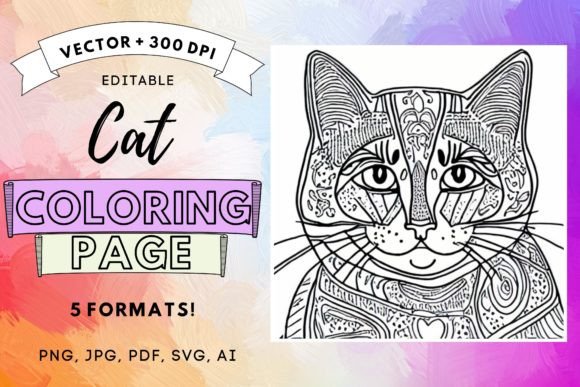
Let’s be honest: when you see a design billed as a “coloring page,” especially a mandala, you might think it’s purely for digital or paper crafts. But as an embroidery designer, I always look at a file’s underlying structure. When I opened Mandala Dog Coloring Page 10, my first thought wasn’t about coloring—it was about how those clean, defined lines would translate into thread. This is a graphic with a very specific personality, and it deserves a practical review from the perspective of someone who’s going to stitch it onto something real.
The Quiet Charm of This Symmetrical Pup
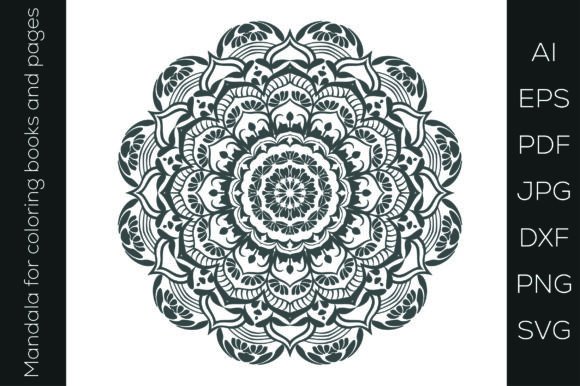
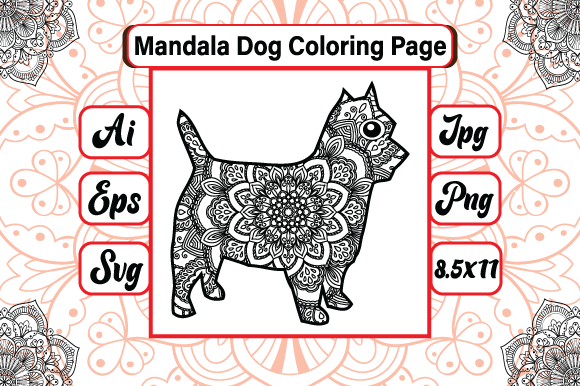
The mood here is gentle and intricate. It’s not a loud, cartoonish dog; it’s a serene, patterned animal nestled within a classic mandala circle. The layout is balanced and centered, which immediately tells me it’s destined for a focal-point placement on a project. The level of detail in the mandala patterns around the dog is moderate—there are repeating motifs and shapes, but they’re not overwhelmingly dense. This creates a visual personality that’s both whimsical and sophisticated. It feels like it belongs on a gift item, something meant to convey care and personalization.
I pictured it instantly on a custom tote bag for a dog-loving friend. Not a loud, statement tote, but one for someone who appreciates subtle artistry. The design’s theme bridges the universal appeal of mandalas with the specific joy of pets, which is a smart combination for a craft business. It taps into two popular niches without feeling generic.
Where This Design Stitches Up Perfectly
Thinking through real-life embroidery situations, Mandala Dog Coloring Page 10 has a clear sweet spot. Its 8.5″ x 11″ original dimensions suggest a larger-scale application, but the clean vector files (AI, EPS, SVG) mean you can scale it responsibly. For custom apparel, I’d lean towards items where the design can be the star: the center of a sweatshirt back, a prominent placement on a tea towel, or a featured element on a pillow cover. Because of its symmetrical, centered nature, it works beautifully for holiday gifts like personalized blankets or nursery decor for a new baby in a dog-loving family.
For small business merchandise, this is a solid candidate for a simple, embroidered patch. The defined outline of the dog and circle would translate well into a satin stitch border. For Etsy sellers or craft fair products, consider it for aprons, kitchen towels, or simple cap embroidery—if scaled down appropriately. The design’s appeal isn’t age-specific, making it versatile for boutique products aimed at adults or children.
In terms of digital product sellers, the inclusion of a JPEG and PNG is useful for creating printable mockups to showcase the finished embroidered product in your listings. This helps with buyer engagement, showing customers exactly how this coloring page transforms into a physical, stitched product on a tote or sweatshirt.
Proceed With Care on These Surfaces
Now, for the practical warnings every embroidery designer needs. The mandala patterns contain areas of potential density. If you’re scaling this down for a small hoop size, say for a hat or a baby clothes item, you must inspect those small details closely. Some of the interior patterns might become too fine, risking a muddy look if using a fill stitch. Test on scrap fabric first.
I would use this design carefully on highly textured fabrics like thick towel material, or on stretchy fabric without excellent stabilizer. The symmetry and circular shape could distort. Also, consider thread color contrast. The design, as a line drawing, relies on clarity. On dark fabric, you’ll need a bold, light thread choice for the outlines to pop. It might not be ideal for layered garments with complex seams or curved surfaces like caps unless you are very confident in your hooping and stabilization techniques.
How This Design Elevates Your Finished Product
From a commercial and aesthetic perspective, stitching Mandala Dog Coloring Page 10 adds a layer of thoughtful craftsmanship. It moves the product from a simple graphic to a handmade, tactile art piece. This increases perceived product value and can boost customer trust—they see the time and skill invested. For brand consistency, if your shop focuses on pet themes or mindful, patterned art, this design fits seamlessly.
The giftability is high. A embroidered pillow cover or tote with this design feels like a personalized gift, not a mass-produced item. It has a recognition factor—the mandala is trendy, the dog is beloved—that helps in marketing. Professionally, using a well-structured vector file (like the provided SVG or EPS) ensures your stitch lines are clean, which reflects in the final embroidery quality and your business’s reputation.
Practical Designer Notes Before You Hoop
Before you run this machine embroidery design, here’s my real-world checklist. First, regardless of the five file formats provided, you must digitize it appropriately for your machine and intended project. The provided files are graphics, not ready-to-stitch embroidery files. Check stitch density in your digitizing software; you might want to simplify some internal mandala patterns for smoother stitching.
- Always test a scaled version on scrap fabric of your final project material.
- Review thread colors—plan a palette that complements both the dog and the geometric patterns.
- Confirm your hoop size can accommodate the design at your chosen scale, maintaining detail clarity.
- Inspect how the small details, like the dog’s facial features, translate at that scale.
- Test it in black and white mockups to see how it reads without color, ensuring the outline structure is strong.
- Compare how it looks on light and dark fabric backgrounds in your digitizing software preview.
- Use proper stabilizer for your fabric choice; this design needs a stable base for its symmetrical shape.
- Critically, check the licensing terms for this graphic from the source. Confirm it works for both personal and commercial projects before selling finished items or derived digital products.
Embroidery is about transformation. Mandala Dog Coloring Page 10 is a compelling starting point. It offers a balanced, charming theme that, with careful digitizing and application, can become a standout element on a wide range of handmade products. Its true test isn’t on screen, but in how it looks after stitching, how it feels on fabric, and how it resonates with the person who receives it. For the designer looking for a project with quiet charm and broad appeal, this is a graphic worth considering.