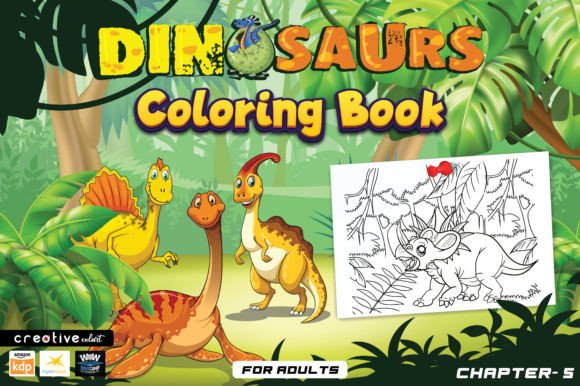
A Practical Review of the Dinosaurs Coloring Book Chapter 5
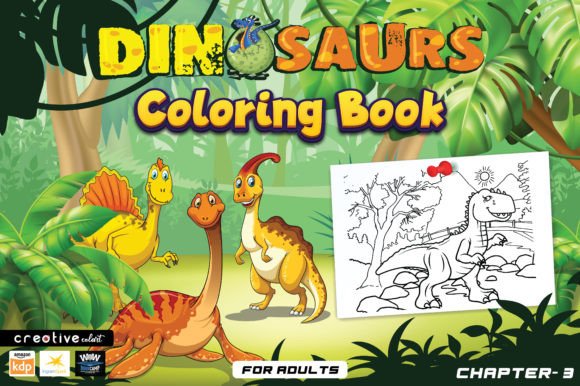
When you download an embroidery design file, you’re not just getting an image. You’re acquiring a potential project, a business asset, and a creative spark. The Dinosaurs Coloring Book Chapter 5 bundle arrived as a set of five pages in multiple formats, including the crucial SVG and AI files I always look for. My first task, as always, was to imagine how these designs would translate from screen to stitch.
First Impressions: Where Does This Design Belong?
Opening the files, the mood is immediately clear: playful, friendly, and perfect for a child’s world. The “Dinosaurs Coloring Book” theme suggests a certain simplicity—lines meant for coloring—which, in embroidery, often translates to clean outlines and defined shapes. This isn’t a hyper-realistic, densely detailed dinosaur scene; it’s a graphic with a personality that feels approachable and warm. Visually, it leans towards products meant for kids, gifts, and lighthearted personalization.
My mind went straight to a custom project: a birthday gift for a dinosaur-loving toddler. A simple, single dinosaur from one of the pages embroidered on a soft cotton pillow cover or a lightweight sweatshirt. The design’s layout, with its clear outlines, promises good stitching clarity, which is essential for customer satisfaction. You don’t want a gift where the design becomes a muddy blob of thread.
From Digital File to Stitched Reality
The true test of any machine embroidery design is its performance on actual fabric. For the Dinosaurs Coloring Book Chapter 5, I considered its application across several real-life scenarios common to crafters and small business owners.
On custom apparel like t-shirts and sweatshirts, these designs would work well as a single, central motif. Their graphic nature would stand out clearly, especially if using a bold satin stitch for the outlines. For a tote bag, perhaps a small grouping of dinosaurs could create a charming, repeating pattern. As a baby embroidery project on a bib or blanket, the friendly aesthetic is a perfect fit.
Thinking as an Etsy seller, this design bundle could anchor a whole product line: dinosaur-themed embroidered patches, personalized kids’ caps, or a series of kitchen towels with a playful dinosaur corner motif. The five different pages offer variety without overwhelming a customer browsing your shop.
However, the “coloring book” style implies lines. In embroidery, lines are often done with running stitches or satin stitches. On textured fabrics like some sweaters, or on stretchy fabric, very thin, intricate lines can become unstable or lose definition. This is a crucial consideration.
Where This Design Should Be Used with Care
Every design has its ideal applications and its trickier ones. With the Dinosaurs Coloring Book Chapter 5, the level of detail is generally manageable, but a practical designer must think ahead.
If a design from this set has very small interior details—tiny teeth or little spots—executing those on a small hoop size might be challenging. The stitch density needs to be adjusted so those areas don’t become too dense and stiff, especially on baby clothes where comfort is key. Embroidering on dark fabric would require careful thread color selection to ensure the playful shapes remain vibrant and visible.
Applying it to curved surfaces like caps requires checking that the design’s width fits the curved area without distortion. Also, for products that need frequent washing, such as aprons or tea towels, a design with large, solid fill stitch areas might hold up better than one comprised solely of many thin outline stitches, which could snag. It’s about matching the design’s technical character to the product’s function.
How This Design Affects Your Business and Craft
Using a design like this isn’t just about making a nice item. It’s about product value, customer trust, and brand consistency. For a craft business, consistently clean, well-executed embroidery builds a reputation. The clear, friendly nature of these dinosaurs contributes to a handmade presentation that feels intentional and skilled, not haphazard.
Its giftability is high—it’s easy to see this on a holiday gift or a wedding gift for a new baby’s nursery decor. For a small shop product, it creates recognizable, thematic merchandise that can engage buyers looking for something specific and charming. The design acts as a design asset that can elevate a simple product into a personalized, thoughtful one.
Practical Notes from the Worktable
Before you run this embroidery file on your final product, here are the steps I always take, and I advise you to do the same with the Dinosaurs Coloring Book Chapter 5.
- Test on scrap fabric first. Use the same fabric type you plan for the final item. This reveals how the stitch density behaves and if any details blur.
- Check thread color contrast. Especially if moving from the digital preview to a physical fabric background.
- Review the design in your software. Look at the stitch paths. Are there any tiny, closed corners that might cause thread buildup?
- Confirm your hoop size is appropriate. The design files don’t specify a hoop size, so you must check this in your embroidery software before hooping your garment.
- Test it in black and white mockups. This helps visualize it on both light and dark fabric backgrounds, crucial for custom apparel planning.
- Use proper stabilizer. For lighter fabrics or designs with potential pull, the right stabilizer makes all the difference in final clarity.
A final, critical note: The product description mentions use on KDP and others. This suggests potential commercial use, but as a professional, you must confirm licensing before selling finished items. Always verify the terms for your specific use case—whether for personalized gifts or commercial embroidery projects sold in your shop.
The Final Stitch: A Design Ready for Your Creativity
The Dinosaurs Coloring Book Chapter 5 is a bundle of graphics that opens a door to a specific niche. It’s not a universal, all-purpose design, but that’s its strength. It knows its audience. For embroidery, it translates into projects that are likely to stitch out cleanly, appeal to a clear demographic, and add a touch of handmade charm to products for kids and playful adults.
Whether you’re an apparel decorator adding it to a boutique sweatshirt, a hobbyist making a baby embroidery blanket, or a digital product seller using it in a printable mockup, its value lies in that straightforward, friendly graphic personality. With practical testing and mindful application to the right products, this design can become a reliable part of your creative toolkit, helping you turn a digital file into a beloved finished product.