A Teapot Design for Real-World Embroidery
First Glance: The Charm of a Simple Teapot
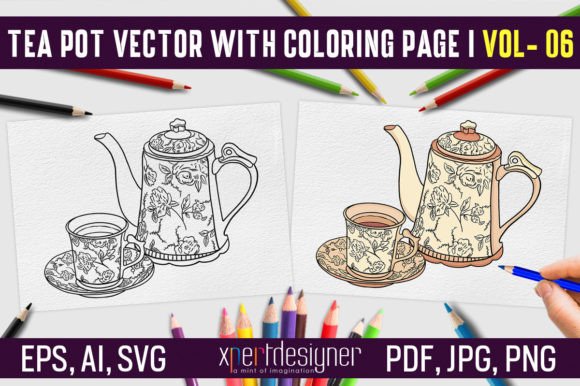
When you first open the Tea Pot Vector with Coloring Page - 06, its appeal is immediate. It’s not an overly ornate, complicated graphic. It’s a friendly, hand-drawn teapot with a gentle, welcoming personality. This matters immensely for embroidery. A design that feels warm and approachable on screen will carry that same feeling into the stitches. My first thought was how perfectly this would translate into a cozy, handmade aesthetic—think of a tea towel for a cottage-core kitchen, a personalized patch on a baker’s apron, or a subtle motif on a baby’s blanket. The clean lines and uncluttered layout tell me this is a design built for clarity, not confusion.
Where This Design Shines in Your Projects
In practical terms, this teapot vector is a versatile little asset. Its strength lies in its theme and scalability. I immediately pictured it on a mid-weight cotton tote bag—a perfect, reusable gift for a tea-loving friend. On a sweatshirt or t-shirt, placed over the left chest, it becomes a delightful, understated logo for a small cafe or a crafty personal statement. For small business merchandise, like embroidered tea towels or apron patches sold at a craft fair, it offers instant recognizability without being loud.
I also considered it for baby embroidery and nursery decor. The soft, rounded shape lacks sharp corners, making it a safe, sweet visual for a child’s item. As a personalized gift, perhaps on a pillow cover for a grandmother, it carries a sentimental weight that generic designs often lack. For Etsy sellers and digital product sellers, this file—with its available formats like SVG and PNG—is a solid base for creating printable mockups to showcase your finished embroidered patch or custom apparel before a stitch is even made.
Thinking Through the Stitch
Moving from the graphic to the actual embroidery project, the clean lines are a blessing. Areas that would become fill stitch are well-defined, suggesting good stitch density management if the file is properly converted for your machine. The central teapot shape is large enough to be impactful even on a smaller hoop size, say for a cap or a hat. However, its true beauty might be in using it as an applique design. Imagine the pot shape cut from a floral fabric and satin-stitched down onto a pillow cover—that’s where the handmade product feel really elevates.
Caution Points: Fabric and Scale Considerations
While versatile, every design has its careful-use zones. With Tea Pot Vector with Coloring Page - 06, pay close attention to fabric texture and background color. On very thin fabric or stretchy fabric, like a lightweight tee, the potential density of the pot’s body might require a robust stabilizer to prevent puckering. On dark fabric, you’ll need to think critically about thread color contrast; a light-filled teapot on a black sweatshirt will pop, but it demands precise stitching.
Also, be mindful of very small hoop sizes. If you’re trying to shrink this for a tiny detail on a baby’s sock, some of the charming simplicity might get lost in the minimal stitch count. Curved surfaces like caps can be tricky; the rounded pot shape should adapt well, but always test first. For products destined for frequent washing, like kitchen linens, ensure your stitch coverage is solid to maintain longevity.
How This Design Affects Your Business and Clients
From a professional standpoint, using a clear, attractive design like this boosts customer trust. It looks intentional and well-crafted, not slapped on. For your craft business, it supports brand consistency if you’re building a line around cozy, home-themed goods. Its visual appeal is high because it’s relatable—people know what a teapot is, and they connect with its homely vibe. This directly influences buyer engagement in your Etsy listings or small shop product pages.
The giftability factor is strong. An embroidered item with this motif feels thoughtful, not generic. It adds to the handmade presentation, suggesting care and personalization. For commercial embroidery projects, like a series of gifts for a corporate client’s tea shop opening, it provides a professional, yet charming, design asset.
Practical Notes Before You Hoop the Fabric
Always, always test the design on scrap fabric first. Use fabric similar to your final project. This will reveal everything: how the stitch density behaves, whether any small details like the pot’s handle translate cleanly, and how the overall size feels.
- Check thread color contrast against your final background.
- Review hoop size compatibility; don’t assume the graphic will auto-fit your planned hoop.
- Test it in black and white mockups to see how it reads without color.
- Compare light and dark fabric backgrounds digitally before committing thread.
- Use the proper stabilizer for your specific fabric and project type.
- Critically, confirm licensing before selling finished items or digital products. The product description mentions formats for your project, but you must verify if commercial use is permitted.
- Check whether the embroidery file conversion (if you’re using it for machine embroidery design) has been done correctly, or if you need to adjust paths for clean satin stitch or running stitch outlines.
Final Judgment: A Design with Purpose
In my experience, Tea Pot Vector with Coloring Page - 06 isn’t just another graphic in the Coloring Pages Amp category. It’s a purposeful Graphics tool for makers. It has a specific mood—calm, familiar, and inviting—that translates directly into embroidered goods with soul. It won’t fit every project, but for the ones it does, it will elevate your finished product. It encourages you to think about theme, placement, and craftsmanship. That’s the mark of a good design: it doesn’t just exist; it inspires the practical, beautiful work that follows.